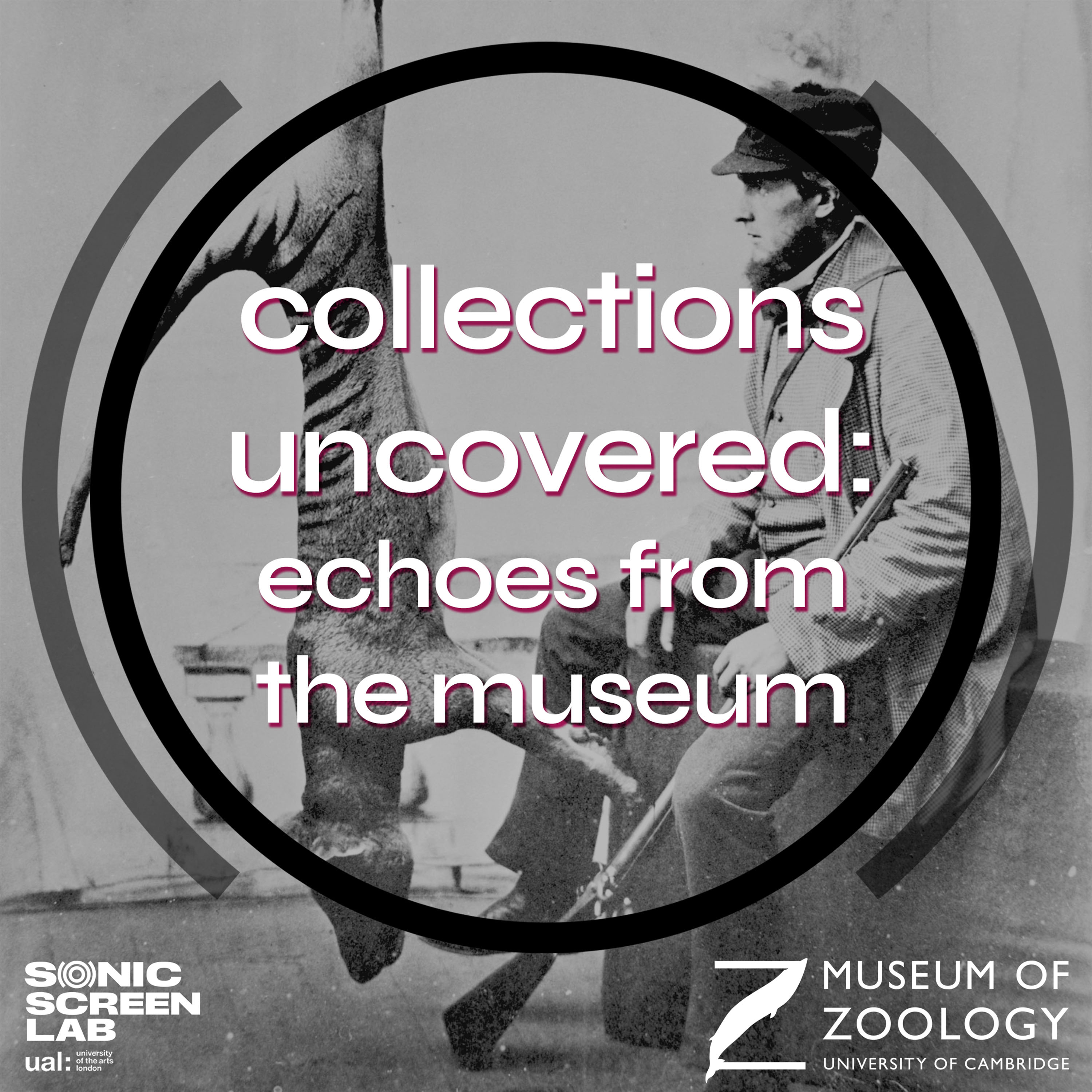
Stories behind the scenes
In this second episode, Lainy Malkani and Jack Ashby head to the storerooms of the University Museum of Zoology in Cambridge to take a closer look at one of the world’s finest collections of thylacine skins. They explore how what was done to thylacines and what was done to Tasmanian Aboriginal people was part of the same historical process. As populations of both were diminished, demand for their remains in western museums rocketed.
The man who sent the skins to Cambridge was Morton Allport. Recent research has revealed an uncomfortable truth about how Allport built his reputation as a leading “man of science”, by both stoking that demand, and working to fulfil it.
Listeners should be aware that we will be discussing events that involved racial violence in Tasmania.
Takeaways
- The thylacine represents both extinction and colonial violence.
- Morton Alport's collection methods were unscientific and brutal.
- Alport's legacy is intertwined with the genocide of Aboriginal people.
- Museum specimens often reflect colonial biases and narratives.
- The term 'collector' can be misleading in museum contexts.
- Alport's actions raise ethical questions about scientific practices.
- The human story behind collections is often overlooked.
- New perspectives can shift colonial thinking in museums.
- Understanding the past is crucial for future museum practices.
- The relationship between collectors and institutions shapes scientific reputations.
Chapters
00:00 Exploring the Human Story Behind Natural History
03:02 The Thylacine: A Symbol of Extinction and Colonialism
06:07 Morton Alport: The Collector or the Broker?
12:08 Revisiting Colonial Narratives in Museum Collections